

Formed by a 30-strong group of Mustang owners in 1981, the Canterbury Mustang Owners Club today has more than 200 members, all sharing the same enthusiastic and friendly spirit that dates back to the earliest days of our club. This spirit is reflected in the quarterly club magazine — Burble — which has been acclaimed by members, as well as other Mustang and marque clubs, as one of the best club magazines around. Burble is a glossy, professional A4 magazine mailed personally to each member, and also available online at the club’s website.
Whilst much of the club’s membership is based in and around Christchurch, it is boosted by a growing and active representation from the wider South Island, especially Nelson Marlborough, West Coast, South Canterbury, and Otago.
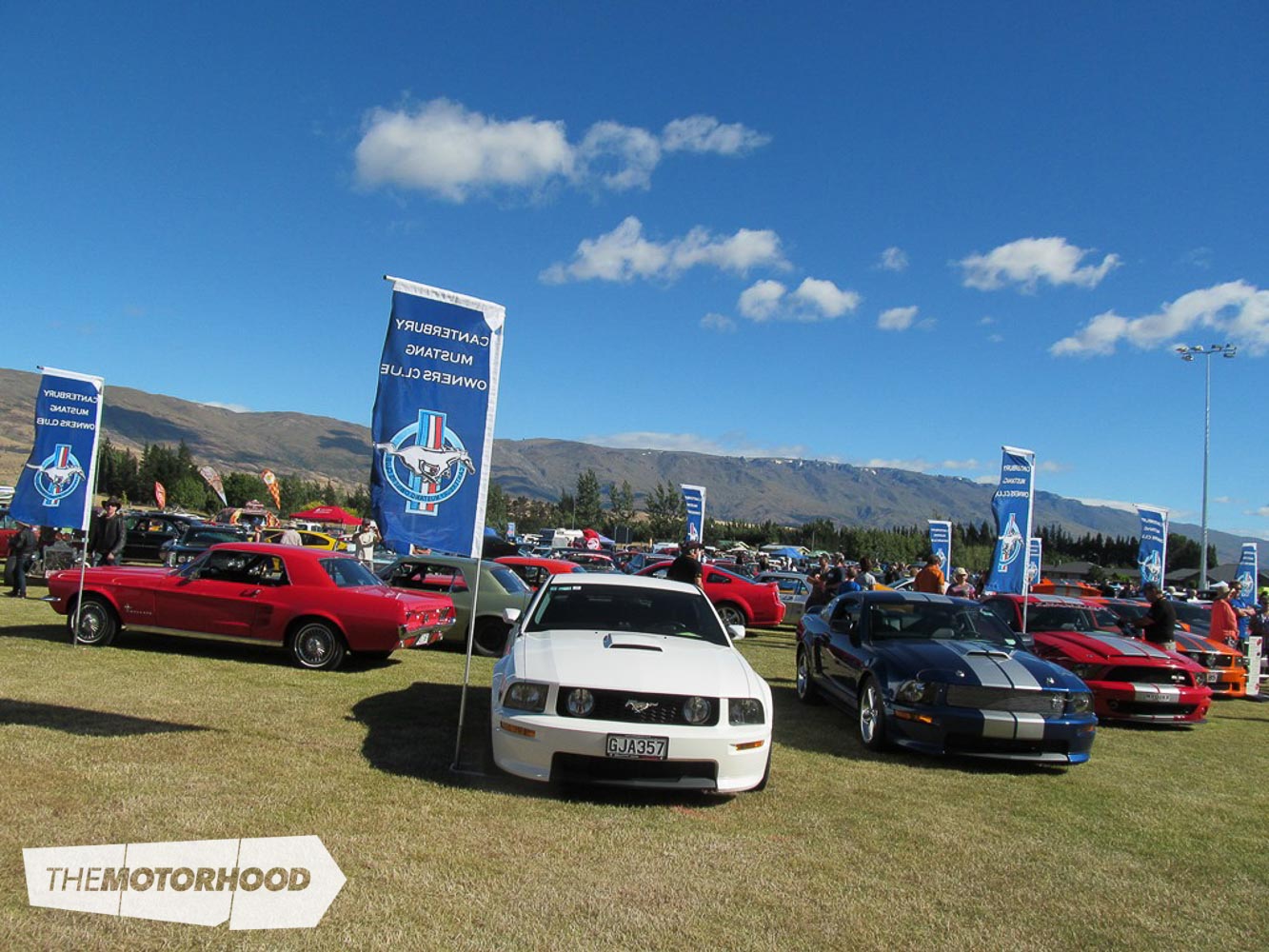
Club activities comprise traditional ‘pony runs’ plus a variety of other social occasions, usually on a four to six week basis. Regular major events include the Christmas family lunch and annual awards, the Mainland Muster, at which they get together with the Southern Club for fun and friendship, with nearly 50 Mustangs in Omarama and Wanaka this year. The club also takes up the role as organizer of the All Ford Day in Canterbury every February. All these events are organized by a great, energetic committee team.
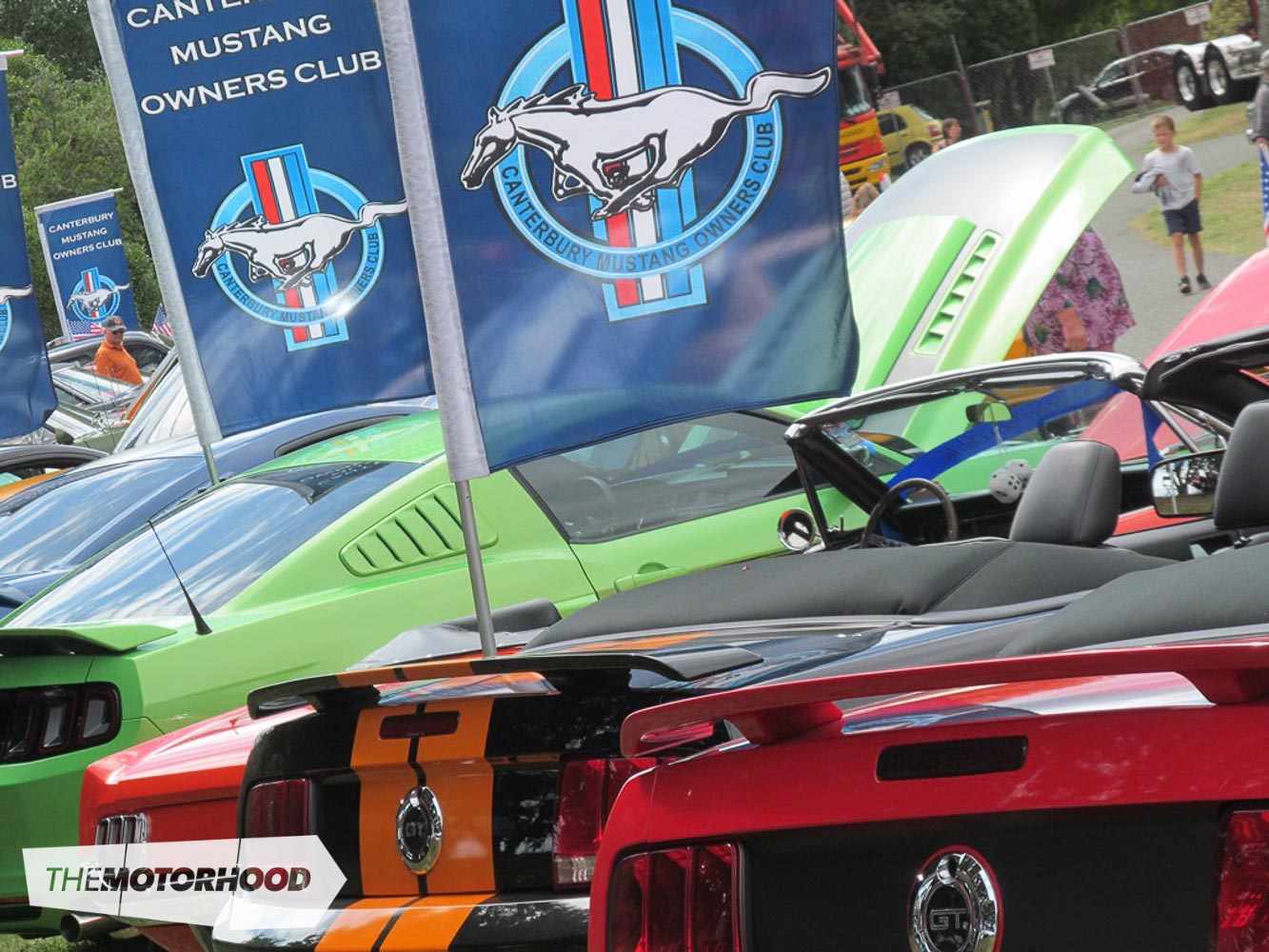
On top of this, club participation is encouraged in a number of major South Island events — including the Kaikoura Hop, the Buller Ford All Ford Day, the annual car shows in Cromwell and Nelson, and USA Day events in Canterbury, Dunedin, and Timaru.
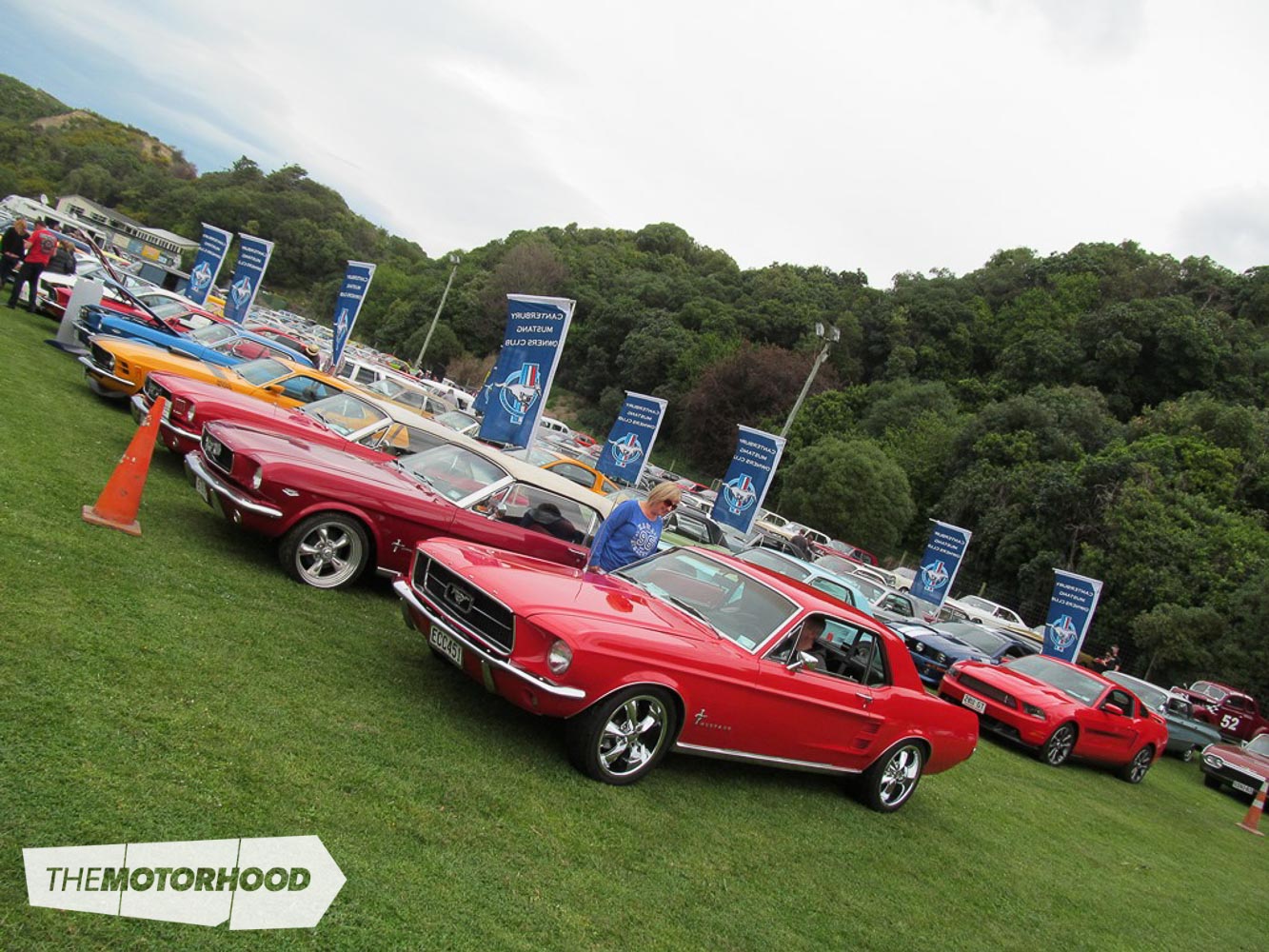
Last year’s national Mustang convention, celebrating Mustang’s 50th anniversary, was a substantial and successful challenge for the club — a superb showcase of 225 Mustangs, and a fast-paced weekend celebration befitting 50 years of this iconic US classic. The club even managed to encourage Ford Motor Company to use the event as a special preview for the new 2015 model, and it obliged by flying a pre-production Mustang to New Zealand just for the occasion. A track day at Ruapuna — as many laps as you wanted — and a closed road run on a local Targa NZ stage capped off a great time for all. Visitors who had also attended top-line Mustang events in the US and Australia rated the Christchurch convention as the best they had seen!
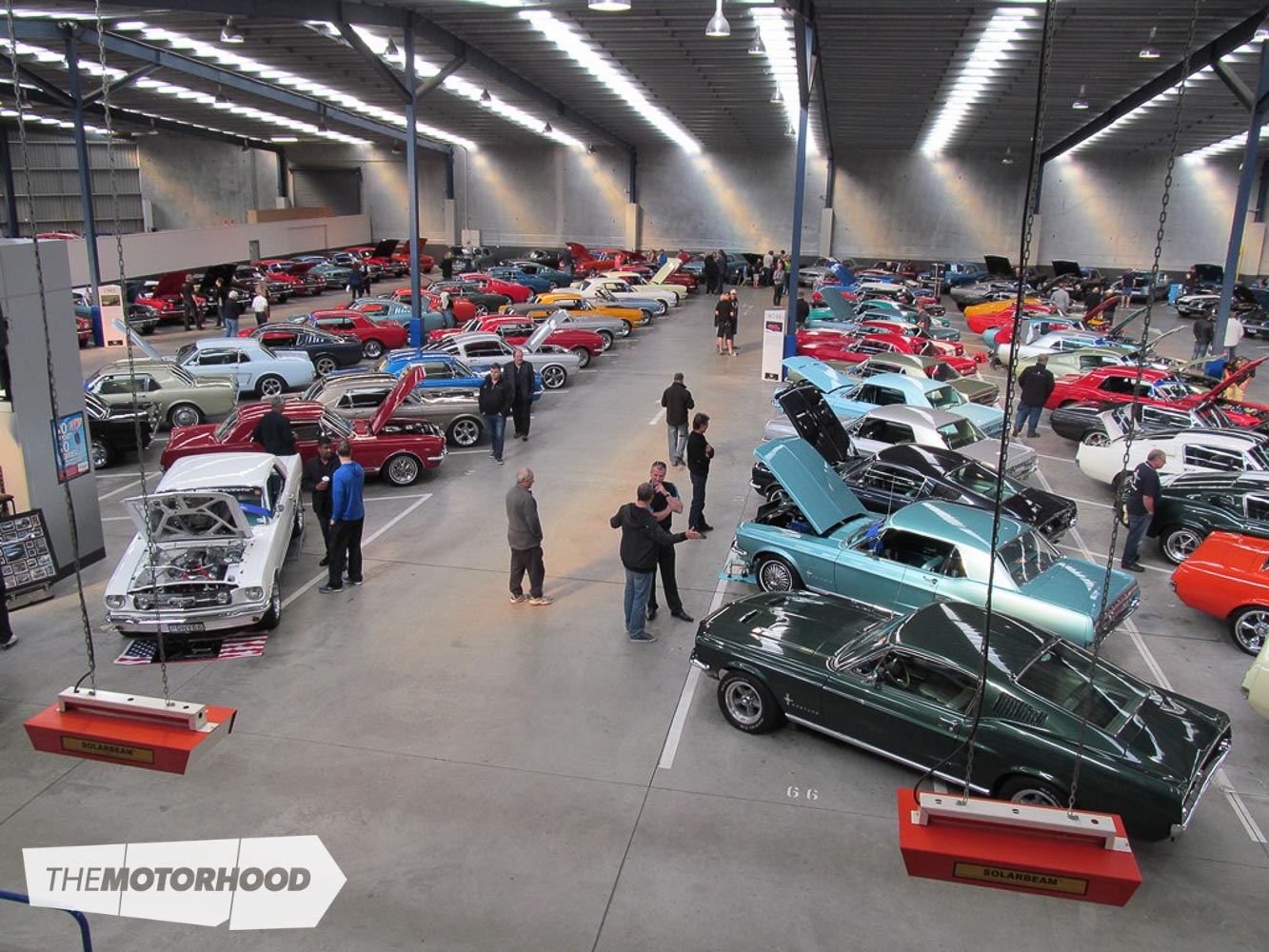
The year ahead represents an exciting time for the Canterbury Mustang Owners Club — and, indeed, the six other Mustang clubs around New Zealand. As such, they expect to see strong interest and membership growth from the impending influx of new, RHD Mustang owners, whilst remaining true to their roots by valuing the Mustang heritage and legend represented by each and every Mustang since 1964. Irrespective of the model, the club continues to work hard to ensure that the Mustang spirit and camaraderie are enjoyed by all.
Time to pony up!
Join the club
Check out the Mustang Club at nzmustang.com or on Facebook, or email the club at
[email protected] for more information or membership enquiries.
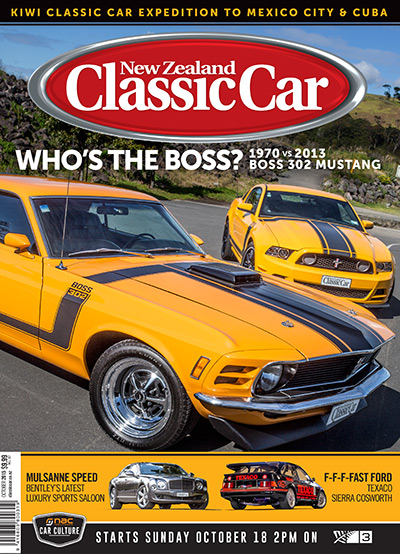
This article was originally published in New Zealand Classic Car Issue No. 298. You can pick up a print copy or a digital copy of the magazine below: