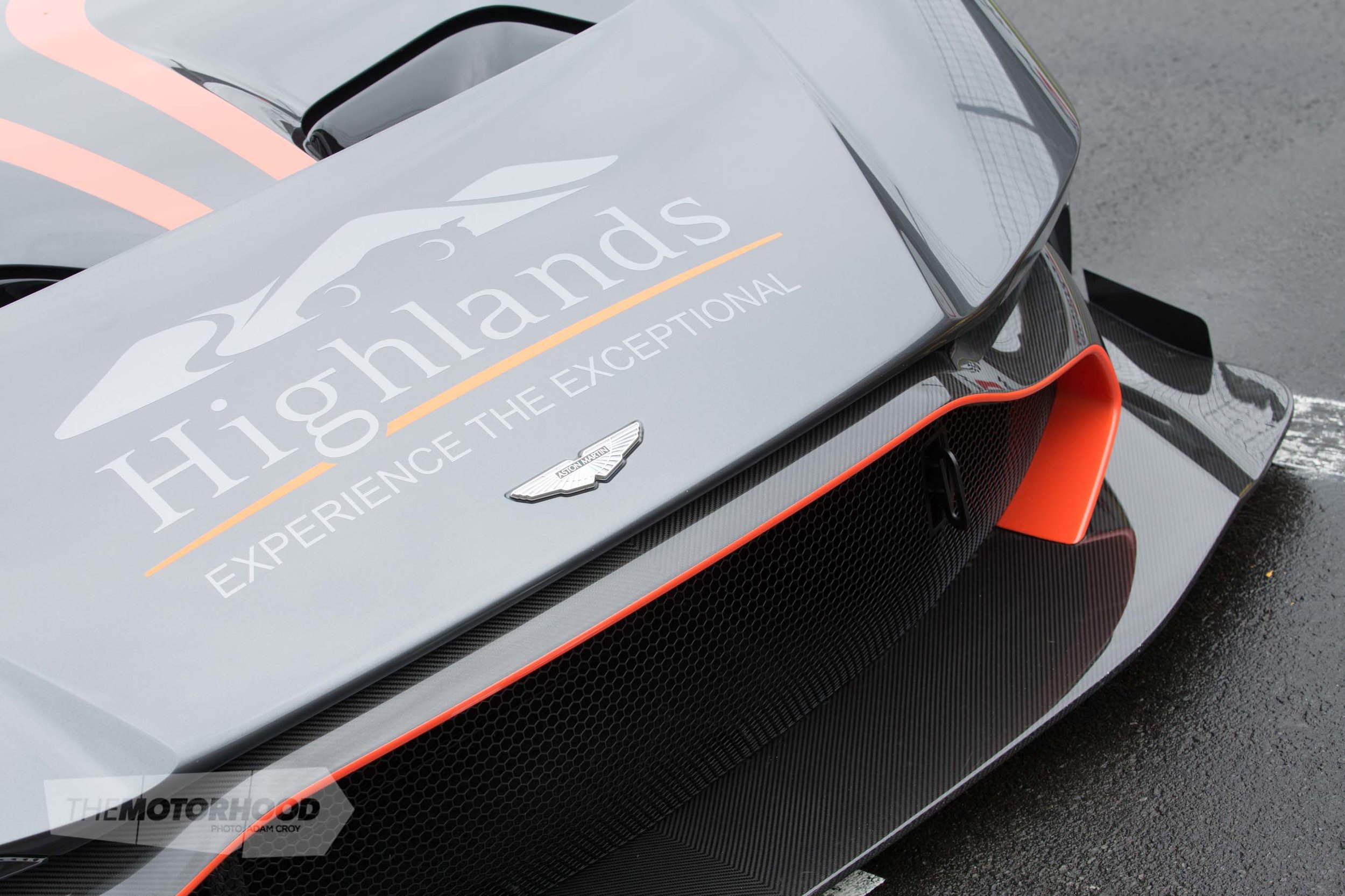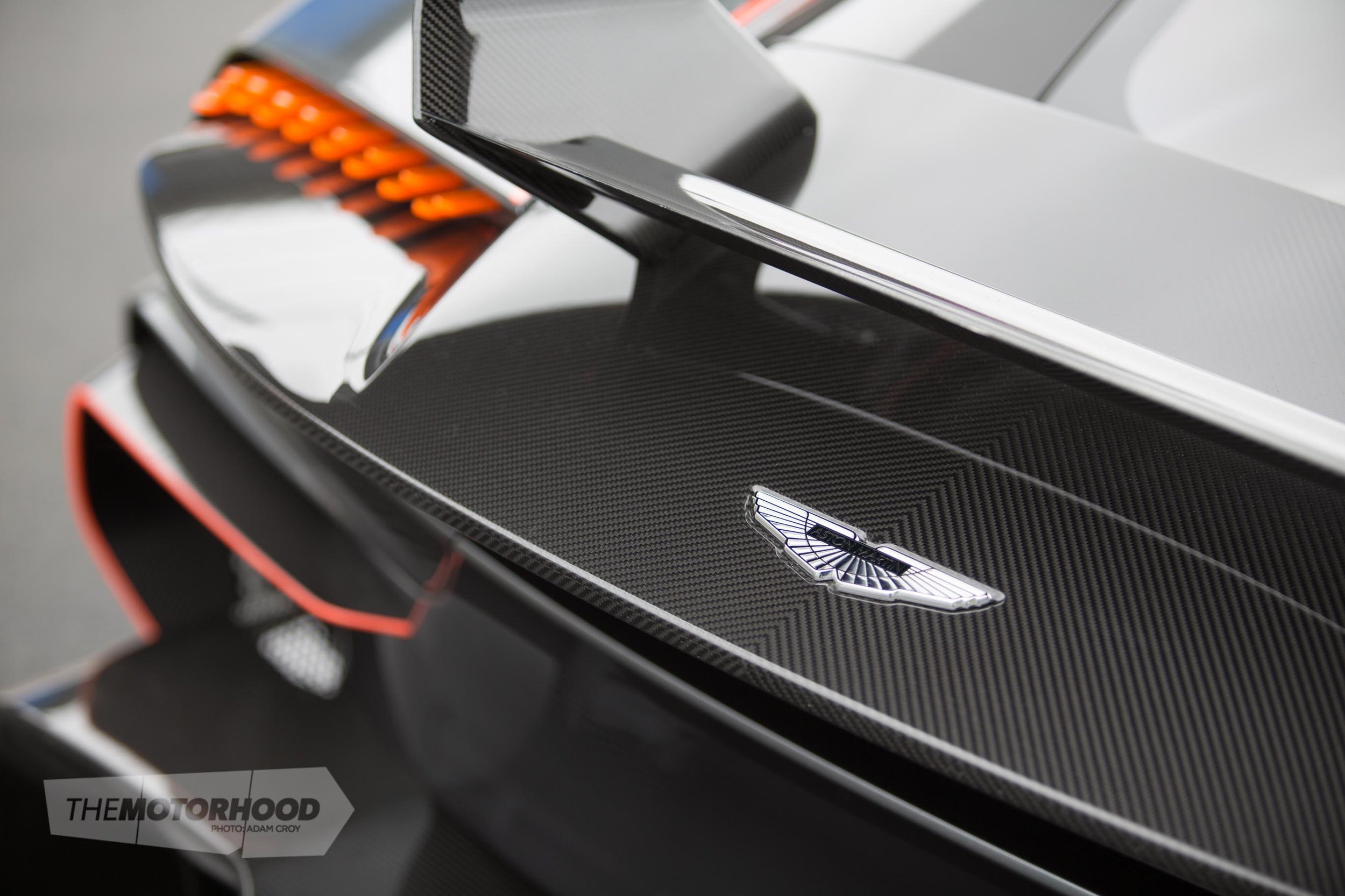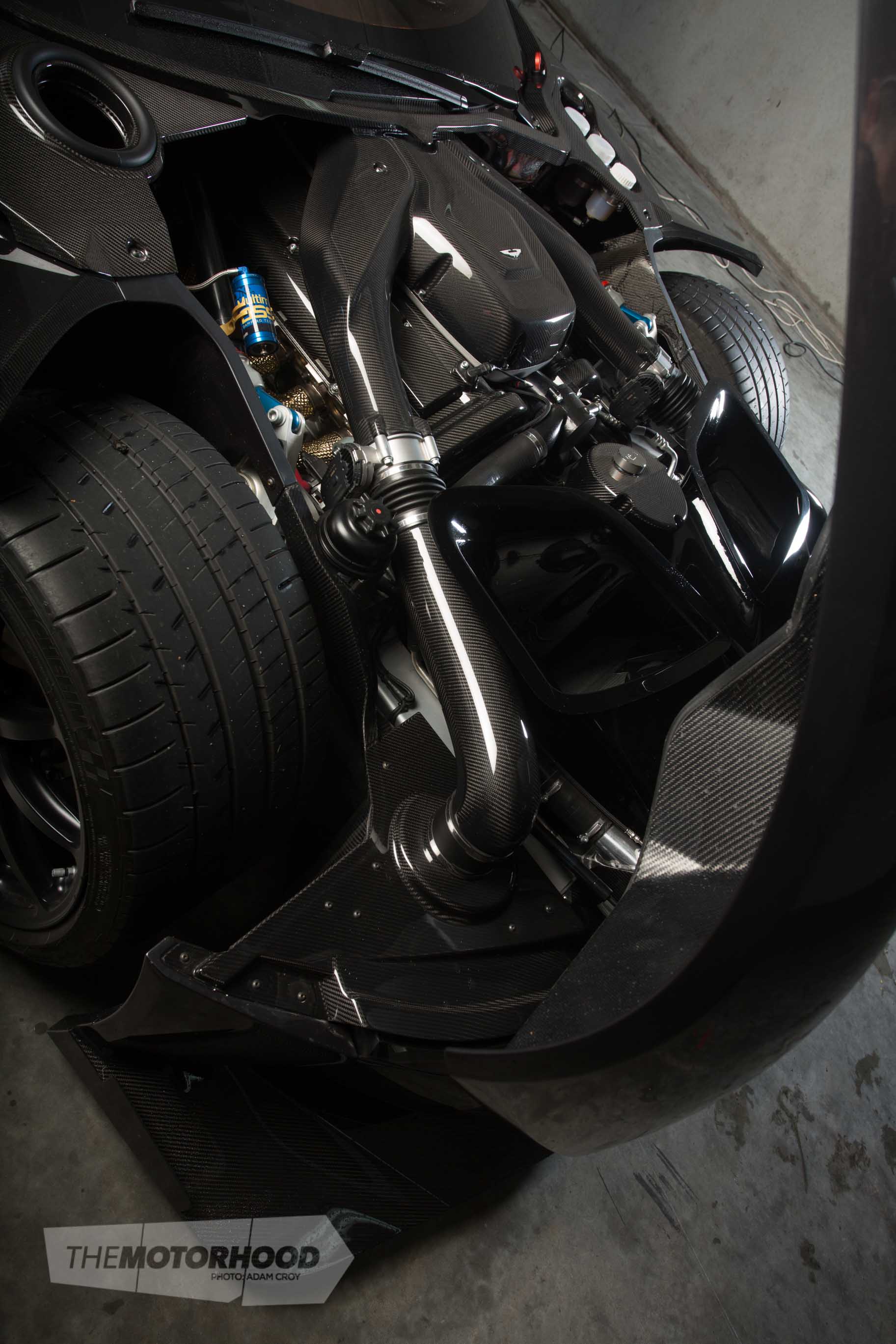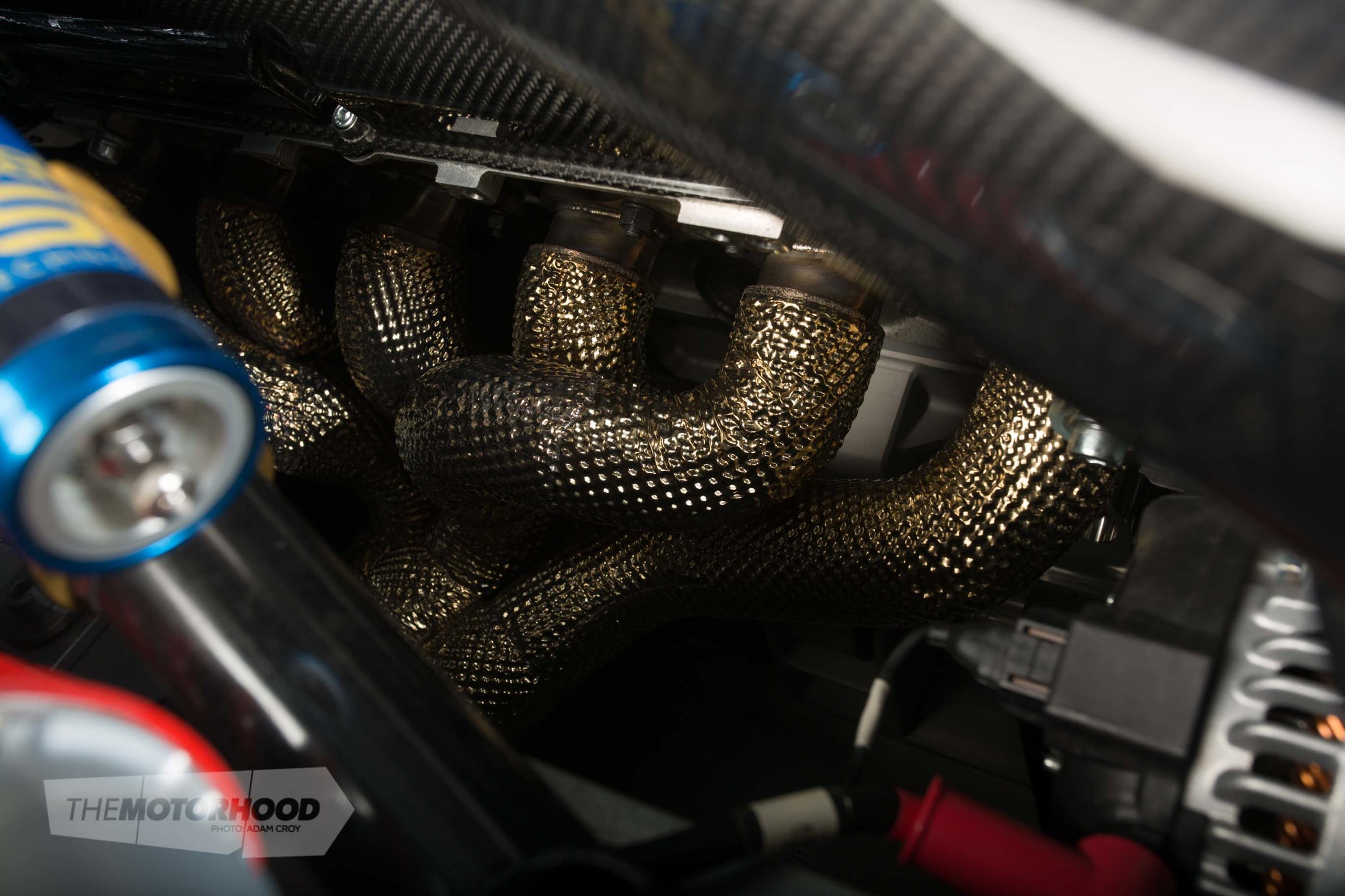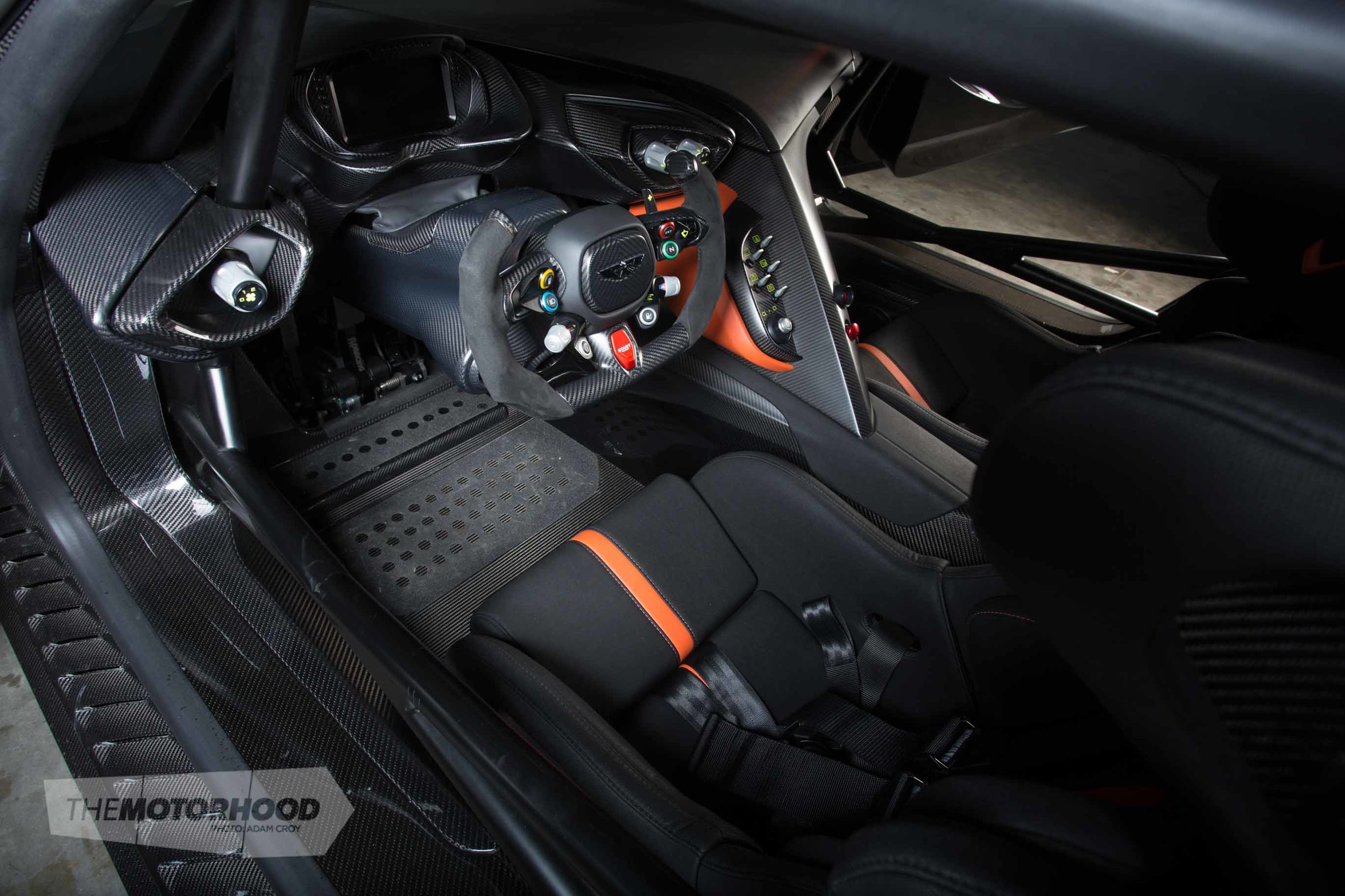
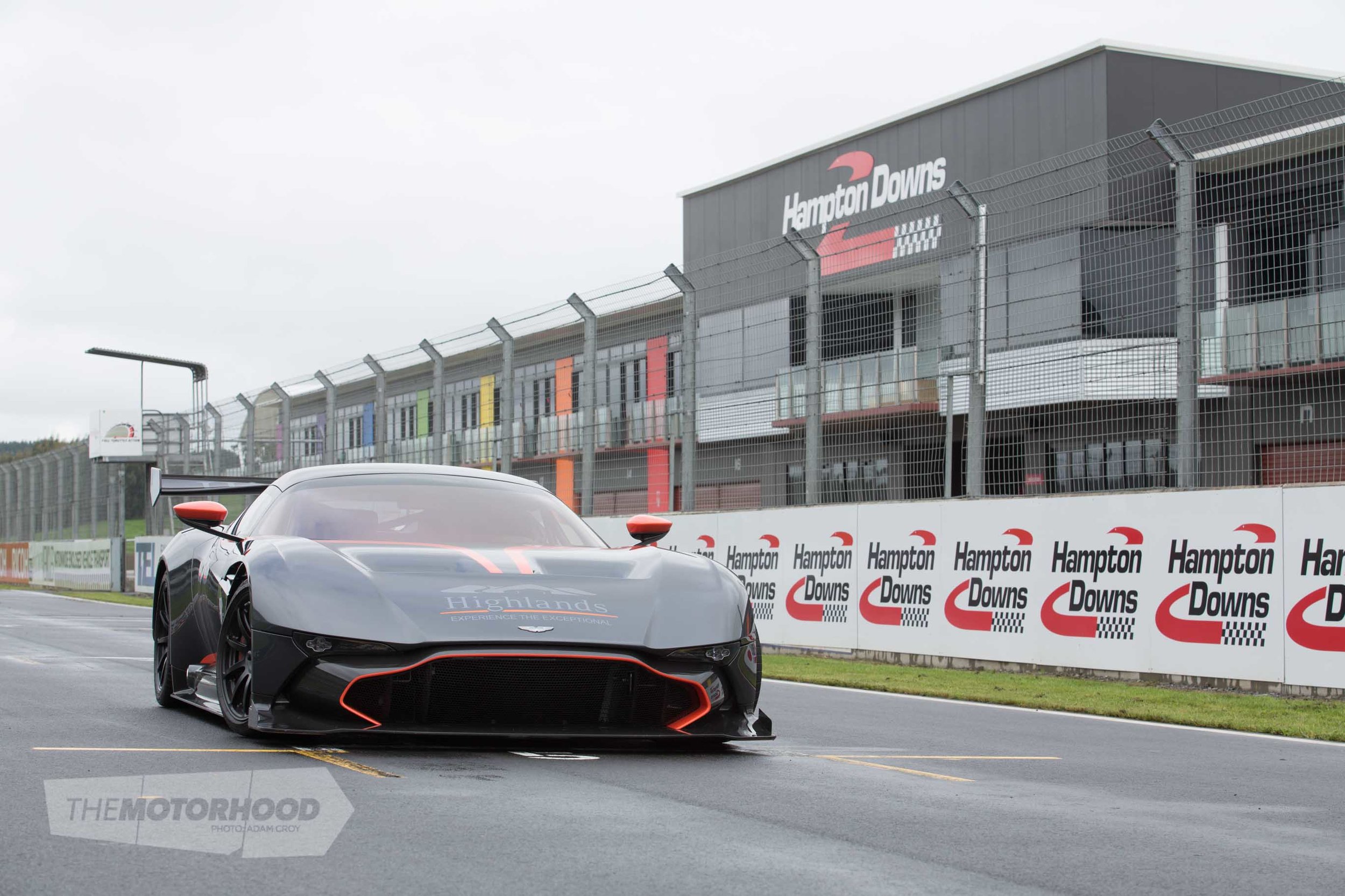
Get to know Tony Quinn’s Aston Martin Vulcan

10 November, 2016

This incredible piece of automotive machinery got a fair amount of PR when it arrived in New Zealand last year.

Its owner is businessman, racing driver, and race-track owner Tony Quinn. You might have heard of some of Tony’s exploits behind the wheel over the years. He’s become a mainstay of Targa events here and across the Tasman, and has recently purchased both Highlands Motorsport Park in Cromwell and Hampton Downs Motorsport Park in Waikato.

We briefly caught up with Tony at the recent Hampton Downs 101 event, where the Vulcan was holding court in and amongst some amazing machinery, and asked him, why the Aston? Quite simply, Tony explained, because he was offered one, and how could you pass up that opportunity?

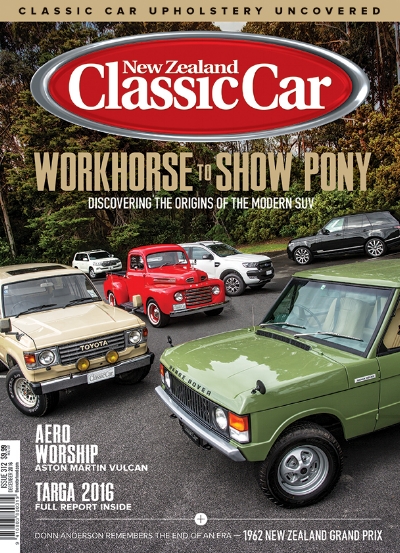
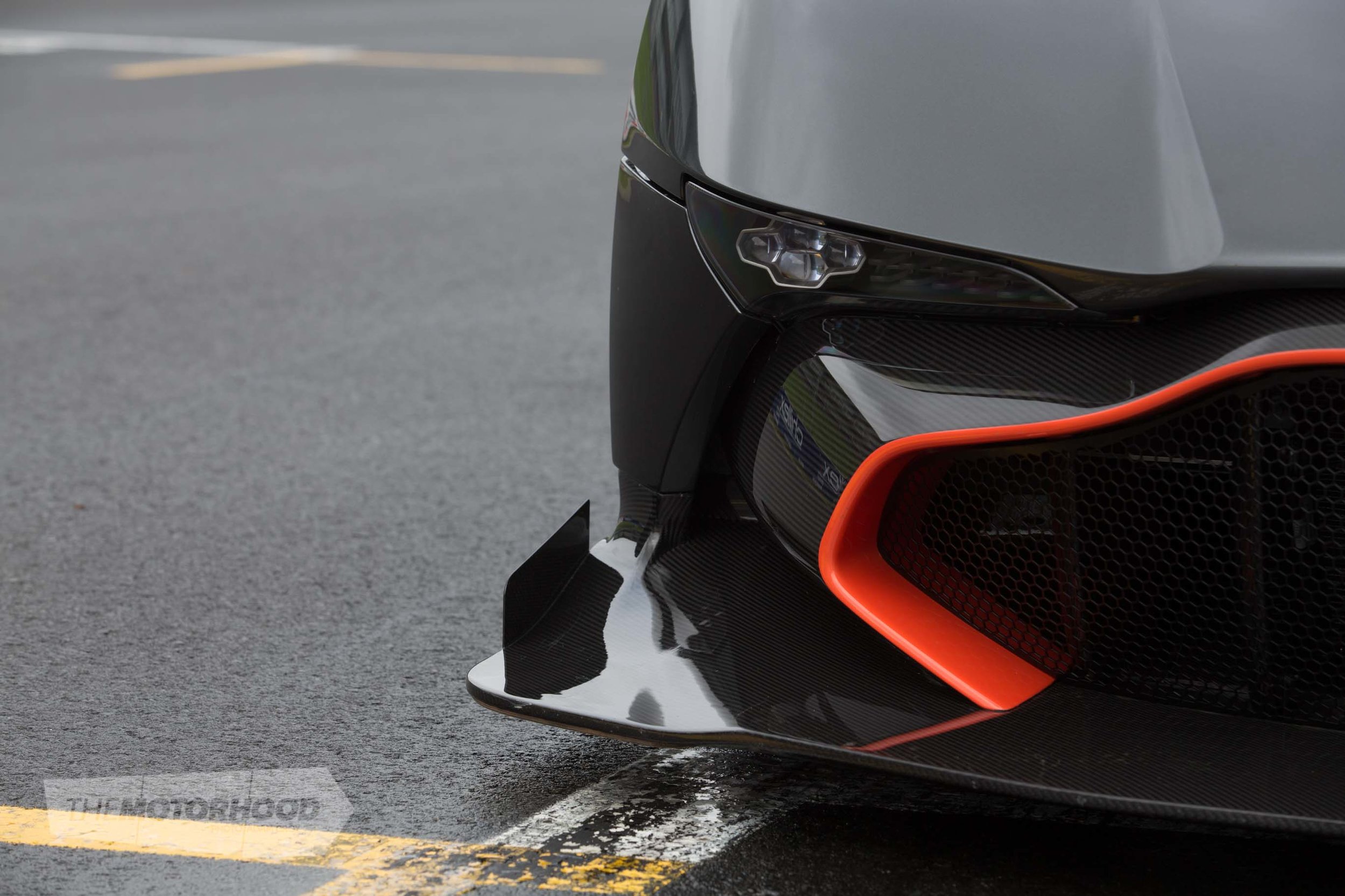
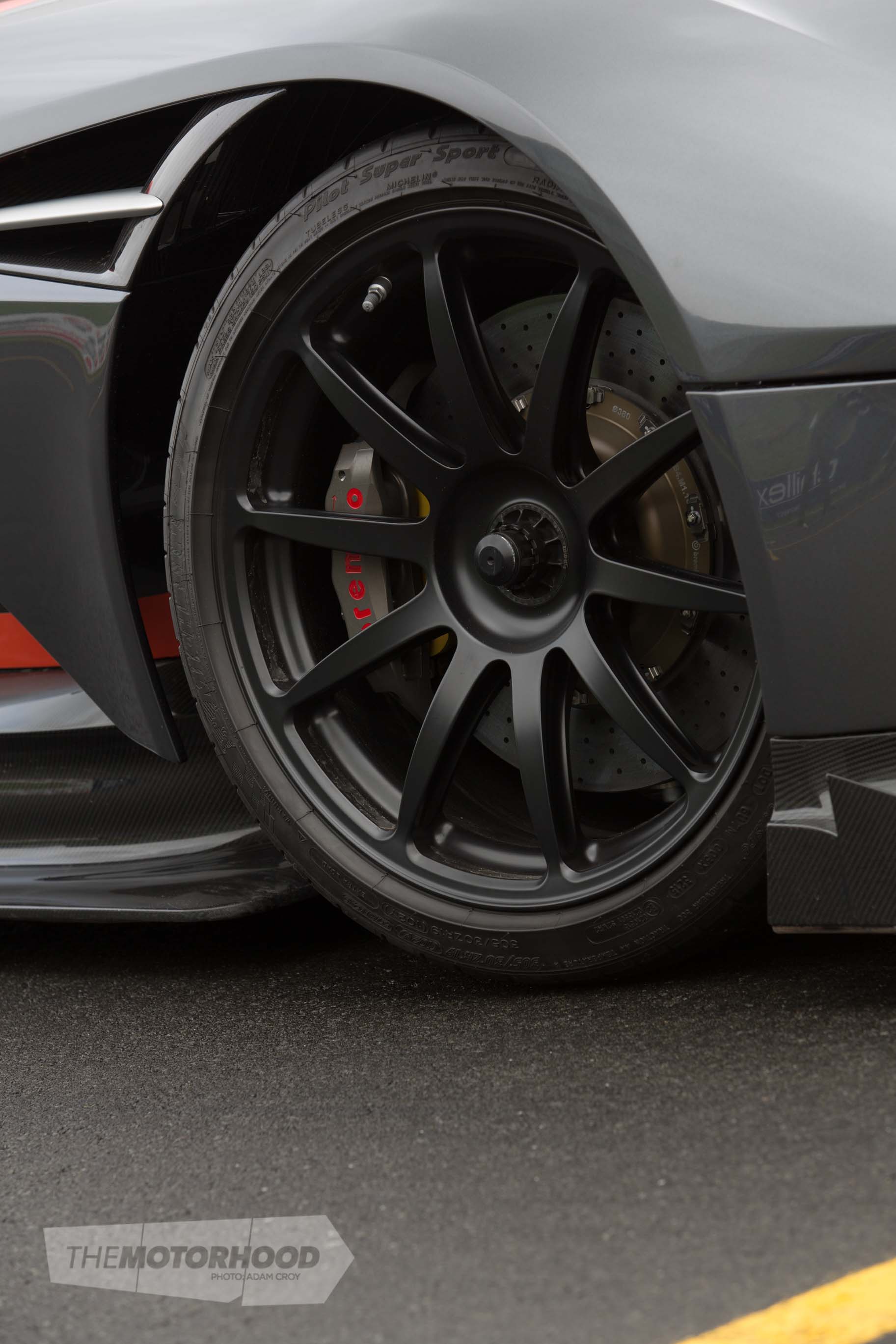
We’ve included a few additional photos that didn’t make it into the feature in the December issue of New Zealand Classic Car (Issue No. 312) — grab your copy below to read the full story.
NZCC312 Cover.jpg

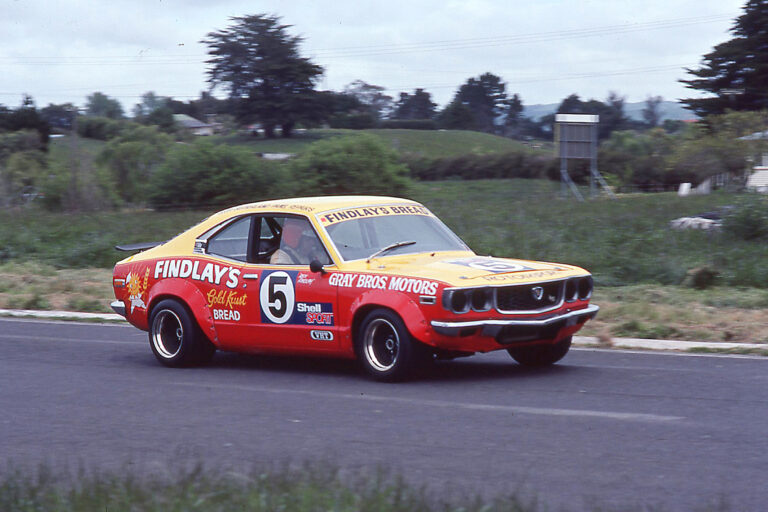
Racing Mazdas

Both Rod Millen and Ron Kendall were rotary racing kings, emanating from the North Shore of Auckland, where I grew up. And the ultimate rotary techno guru was Bill Shiells, who developed the engine into a rocket ship while working out of Gulf Mazda in Takapuna from 1969, and later in his own business, Rotorsport. He began to extract some phenomenal horsepower from the enigmatic rotary engine. Bill was one of the first to race the Mazda RX-2 Coupe in 1971 and achieved immediate success, causing others to sit up and take notice, particularly the North Shore’s racing elite. They included Robbie Francevic, Rod Millen, Ron Kendall, John Woolf, John Le Feuvre, and Rex Findlay.

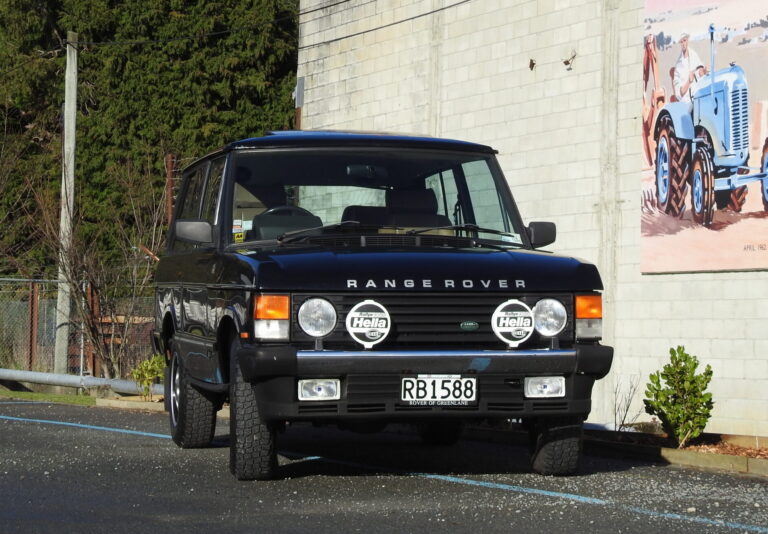
Range Rover CSK — the original SUV

The Range Rover, thanks to Charles Spencer King, went into production in 1970 boasting an iconic shape that would last until 1996. The vehicle that would create the SUV moniker came about because Rover decided it was time to add a bigger four-wheel-drive vehicle, one with a 100-inch wheelbase, to the model range. Land Rover made a 109-inch wheelbase model but the standard vehicle had a 88-inch wheelbase.
The new model would be more suitable for road use than the existing Land Rover, which was considered to be predominantly for rural use. To make sure it could cope on any road it came standard with the Rover 3.5-litre V8 engine. The body design was originally sketched by King and went into production with only a few minor touch-ups by the Rover styling team.
According to King, “The idea was to combine the comfort and on-road ability of a Rover saloon with the off-road ability of a Land Rover. Nobody was doing it.”