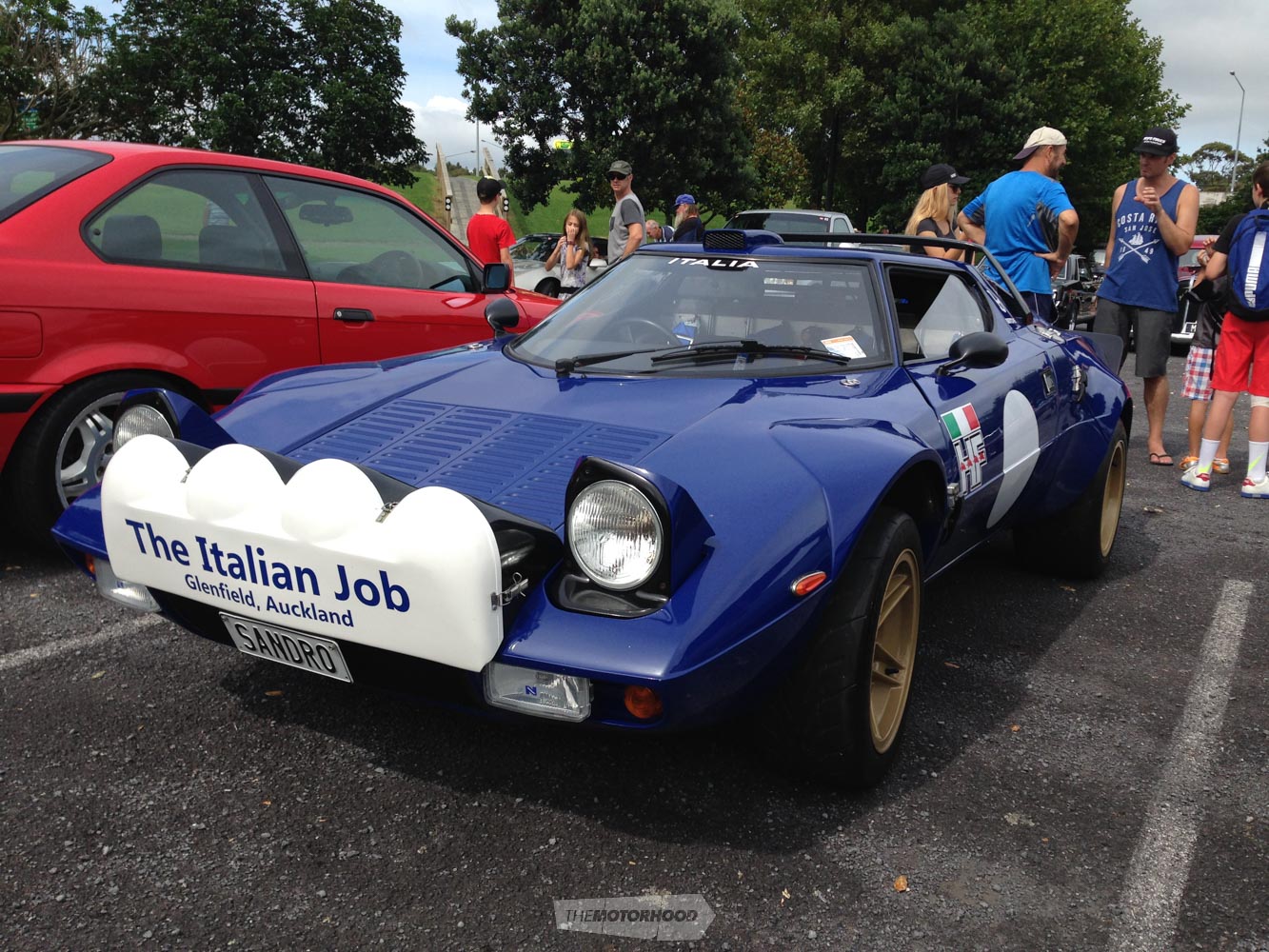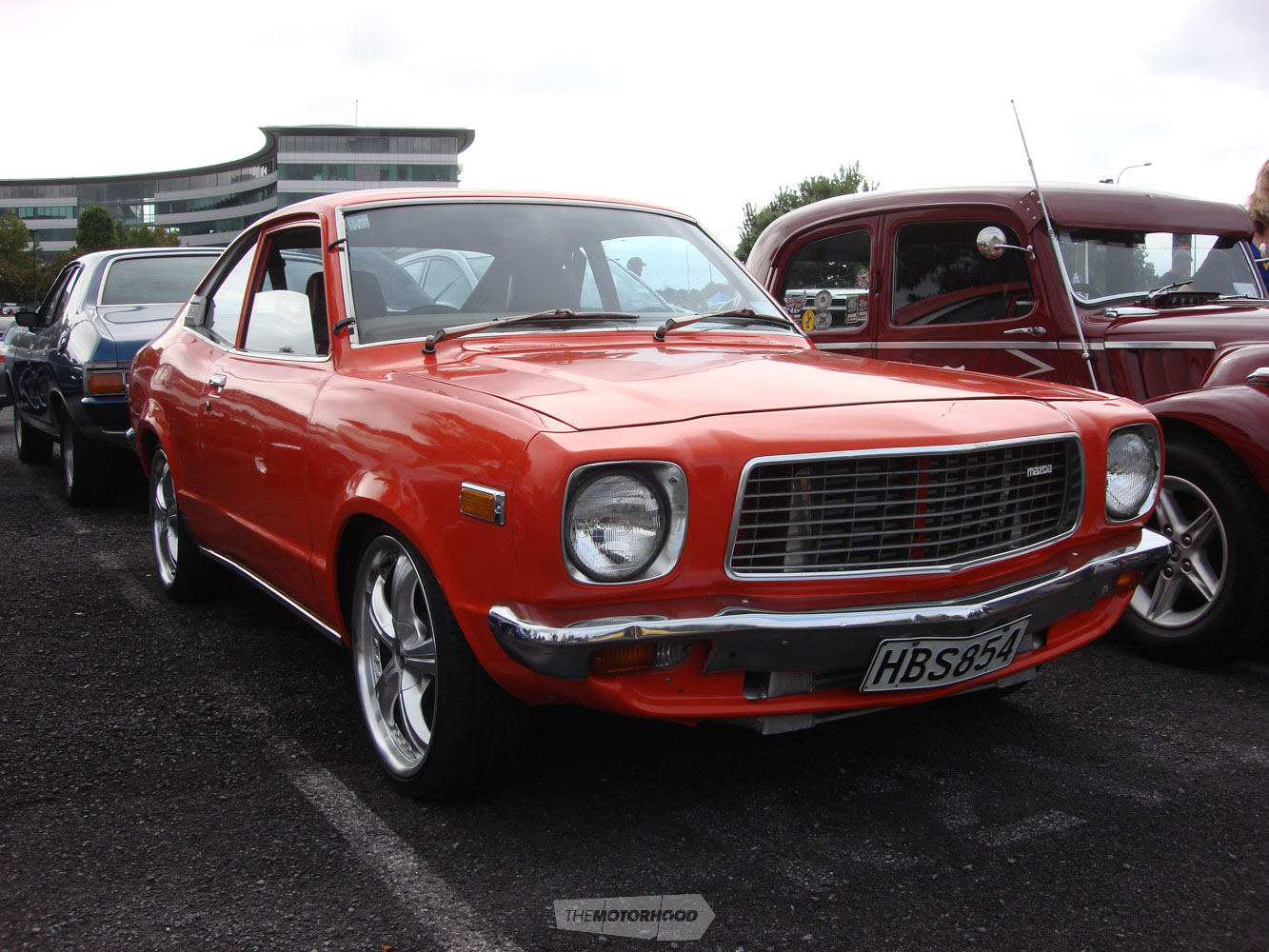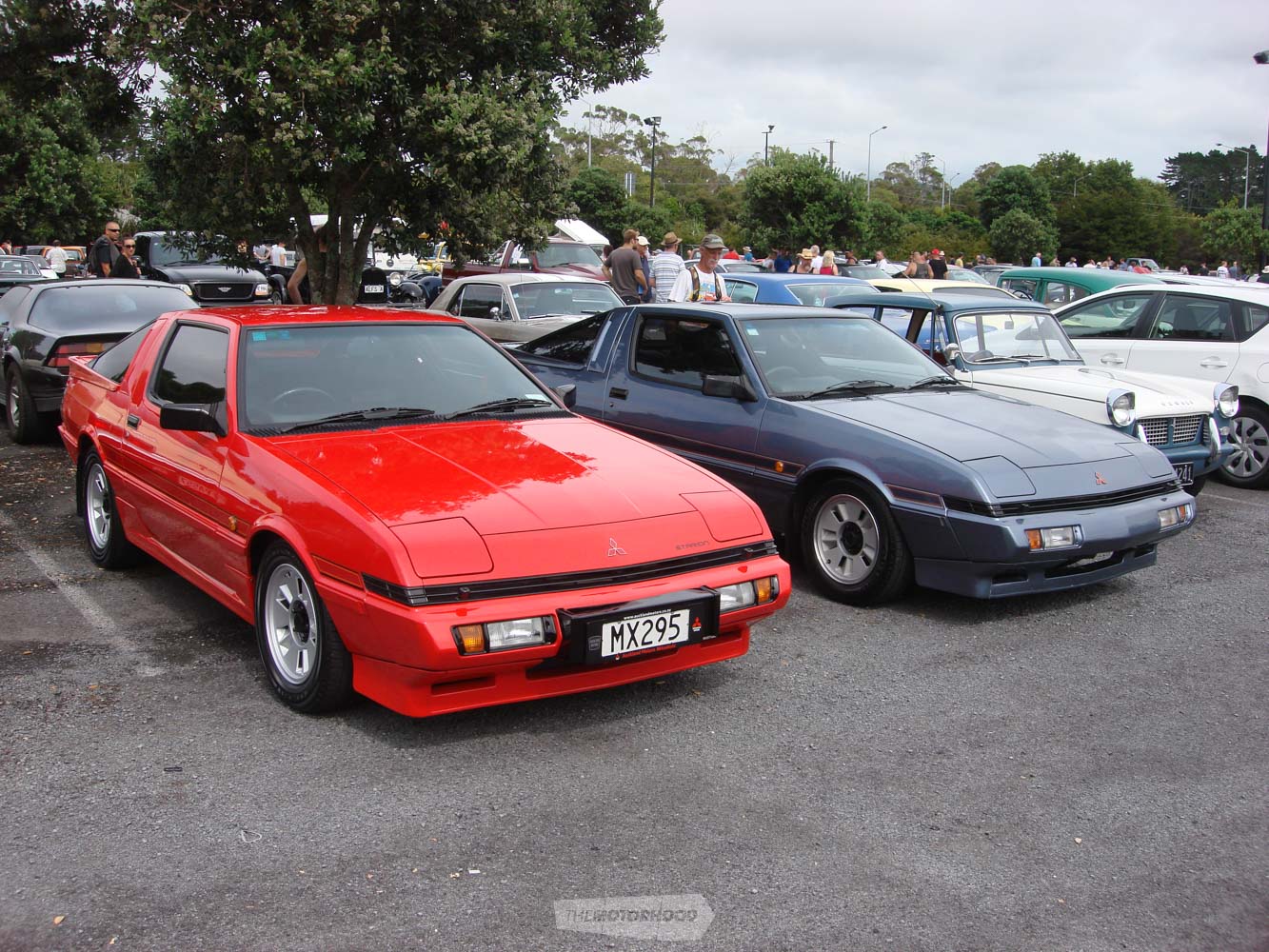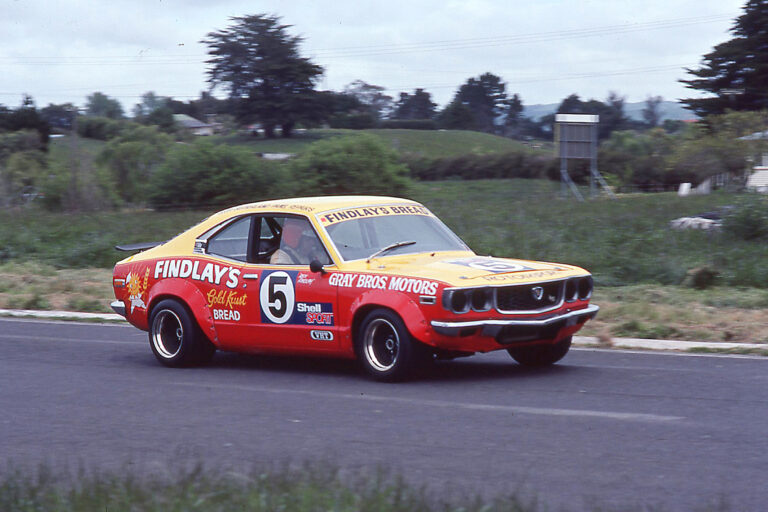
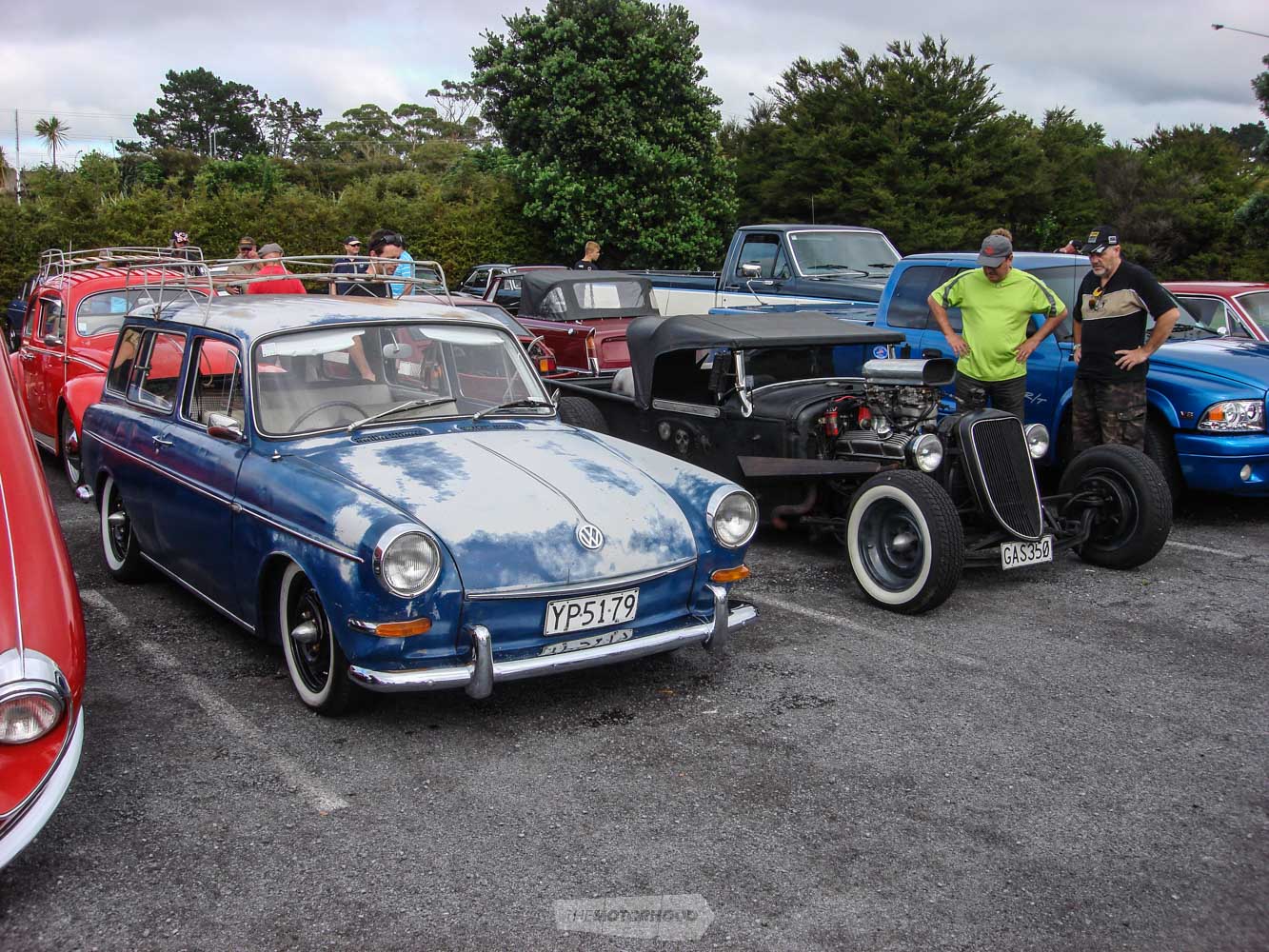
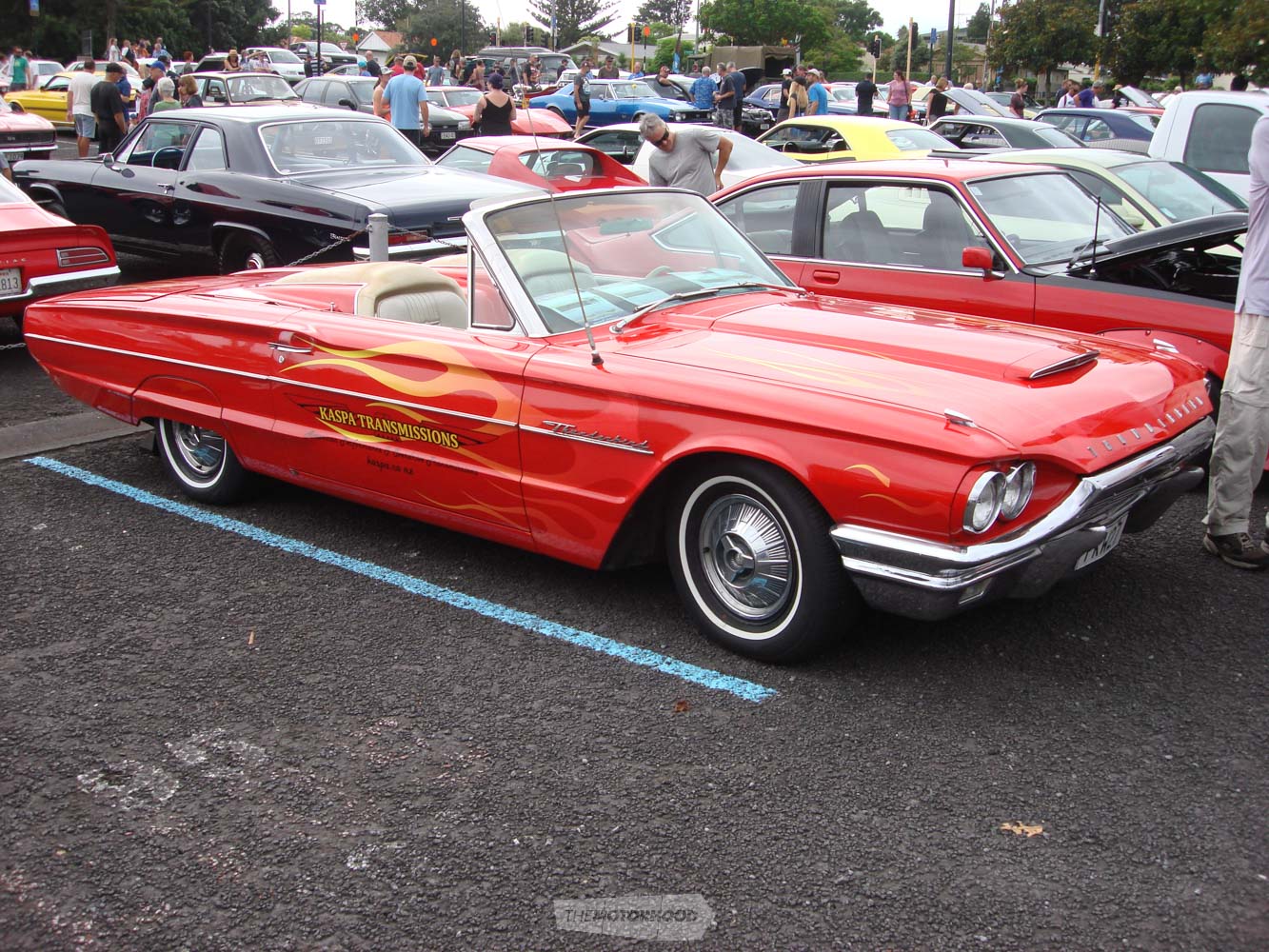
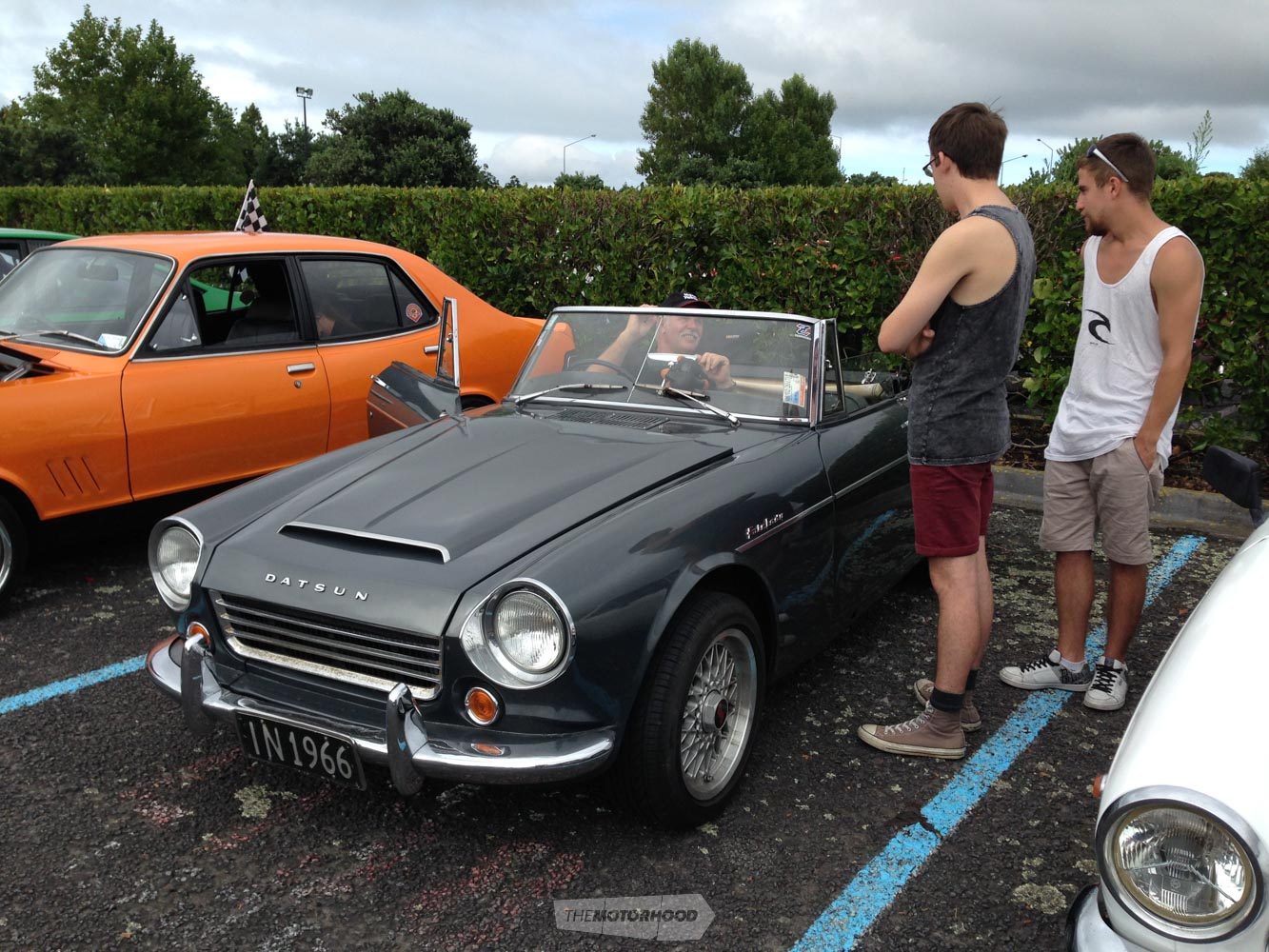
Find yourself anywhere near Smales Farm, Auckland, on the last Sunday of the month, and you’ll be more than aware of Protecta Insurance’s Caffeine and Classics. An event six years deep, things have grown rapidly, and what was once a quiet collection of classic car owners shooting the shit over a cup of joe has become a huge event, with spectators flocking in droves to see what’s on display. However, even with the venue at Smales capable of housing a fair chunk of cars, things are reaching capacity, prompting organizers to release the following statement:
“There are a couple of things that we need to address in order to ensure that this event can continue. The first thing is a very controversial topic; what constitutes a ‘classic’. For the purposes of Caffeine & Classics … if you own an ‘old’ car (at least about 30 years old) then your car can definitely be counted as a classic in our eyes, regardless of make, model, country of origin, or any other criteria. If your car is newer than this, then we ask you to consider carefully whether it is suitable.
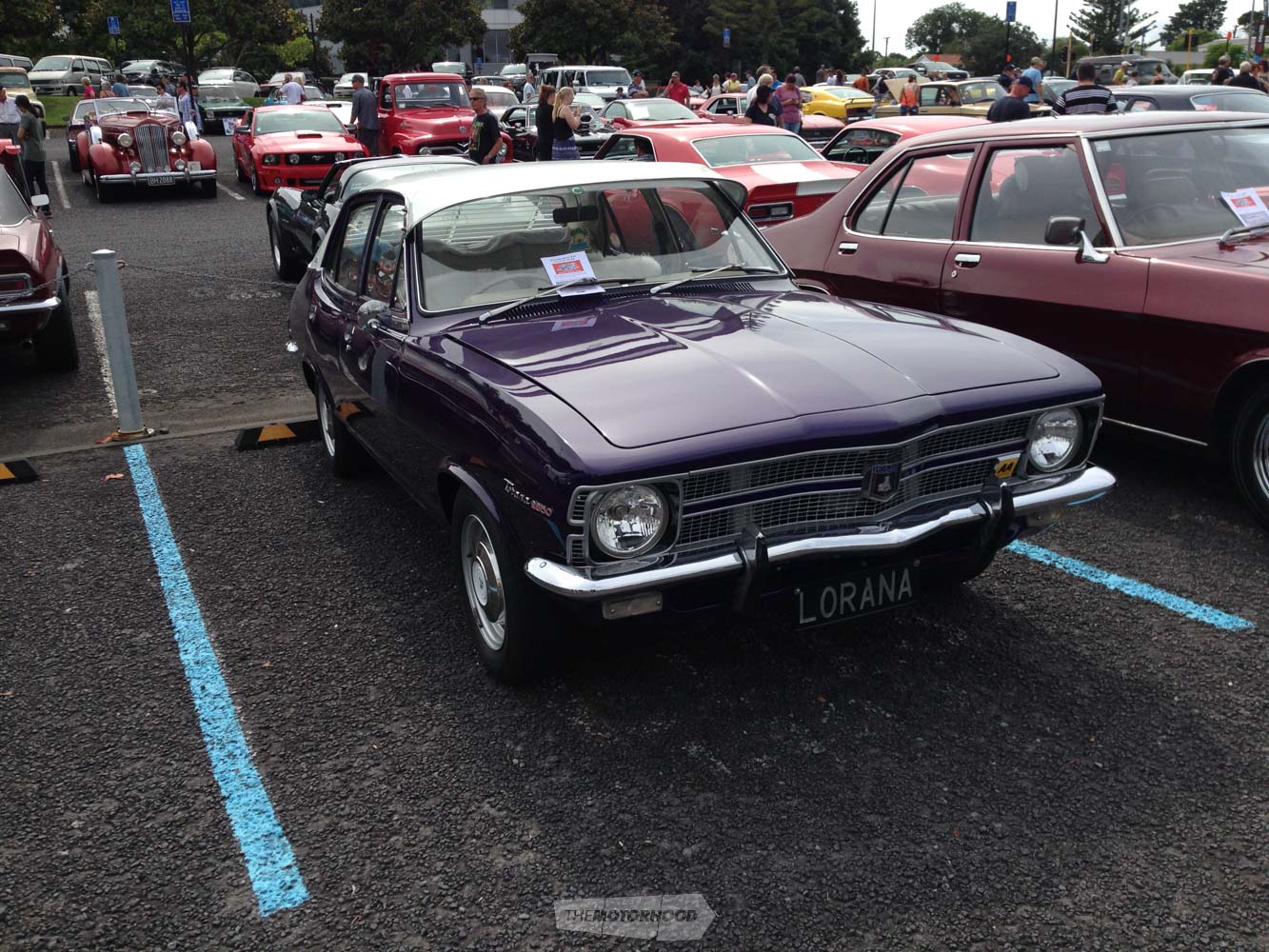
“We know this is a tough ask and that people with modern vehicles love them just as much as classic owners love their vehicles, but we hope that you can respect our wishes as we try to bring Caffeine & Classics back to its core purpose — which is bringing together owners of classic vehicles within the car parking space available.
“Everyone knows that classics struggle with traffic jams, and while we are rapt with how many public come along to view these cool old cars, this is causing serious traffic congestion for us … there is no parking for spectators within Smales Farm. [These] are just for the classics and so we strongly encourage you to take advantage of public transport (there is a bus station within Smales Farm), or if you must travel by car then you will need to park off-site and walk in.”
What we think this boils down to is: if a car is something that you would see on your daily commute to work, or can still buy at the local dealer, it’s not one for this event. The organizers clearly haven’t made this decision lightly, and it’s an understandable compromise to maintain the event’s purpose, so be nice and help ’em out — the next event takes place on 26 August.