By Quinton Taylor
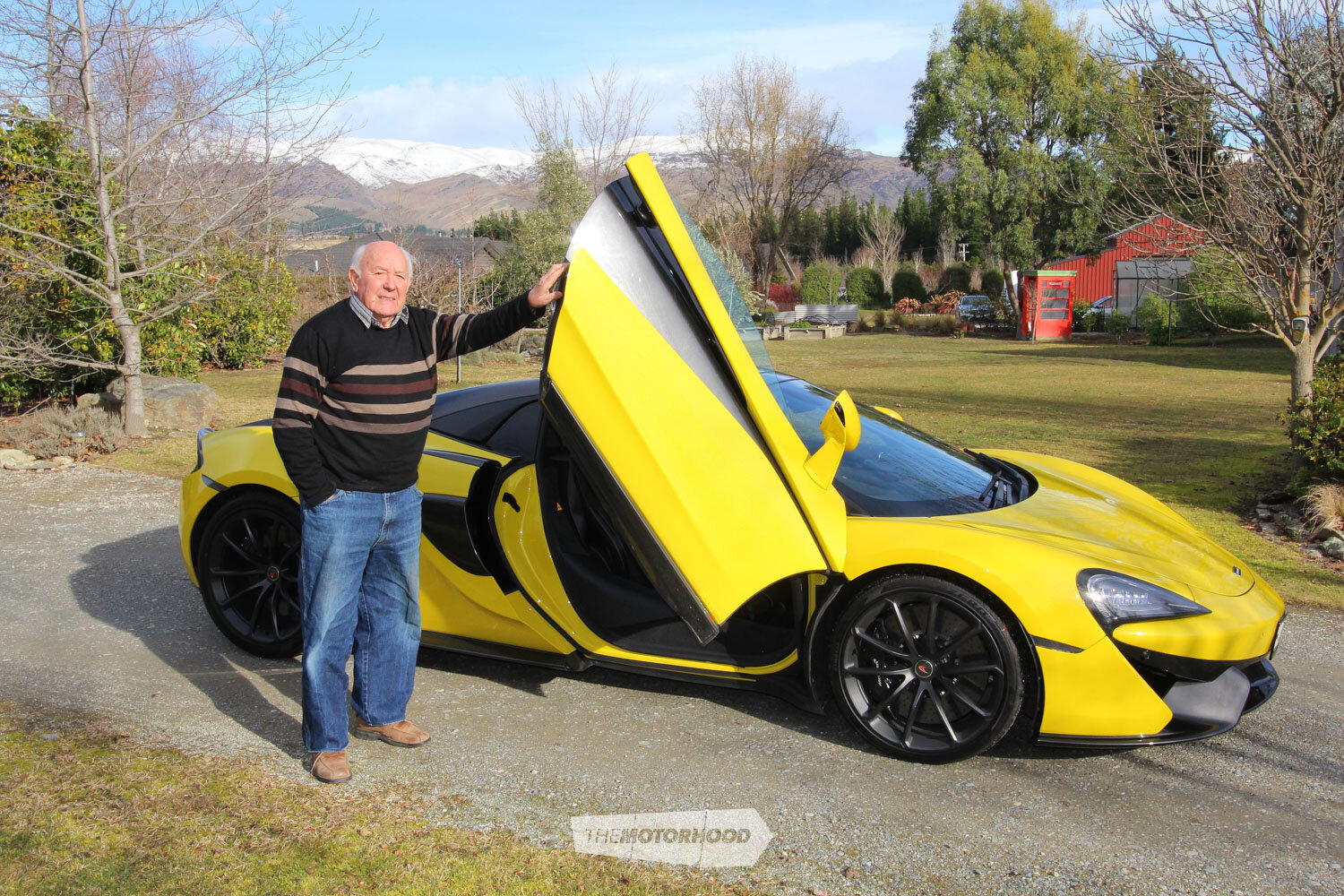
Wide doors aren’t a problem when they swing up
Racing McLarens most often do without a lid but the bare-headed versions are rarer among the supercars bearing that name.
That was the look that appealed to seasoned campaigner Ralph Smith, who has added a McLaren Spider 570S to his Central Otago garage. The retired engineer is justifiably proud of his new acquisition and the technical excellence it both represents and contains.
“It’s not brand new but a very well looked after almost-new example,” says Ralph.
The distinctive black and yellow car offers a very different driving proposition from another motor racing legend in his stable, the Lycoming Special.
“It’s got a lot of buttons and I’m carefully finding out what they are all for,” Ralph explains, swinging up one of the massive dihedral carbon-fibre doors to reveal a battery of buttons on the underside panel
The McLaren comes with a soft personalized dust cover embroidered with the McLaren logo. This helps keep the car in tip-top nick and the reveal adds a sense of occasion when Ralph decides to give it a run.
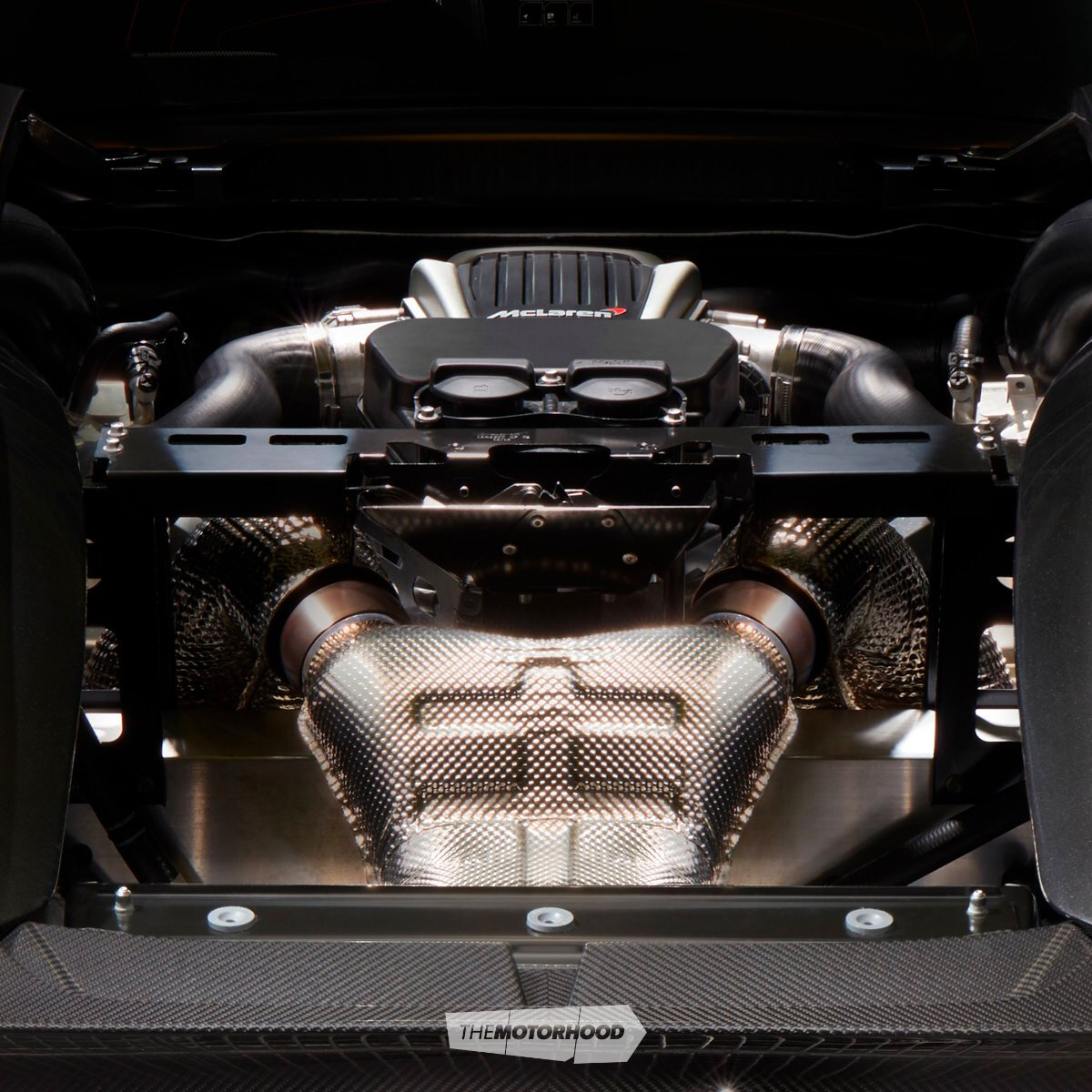
Firing up the 3.8-litre, twin-turbo, 90-degree V8 of McLaren’s own design produces not your usual V8 burble but what seems like a high-revving idle, at least during warm-up. Producing 419kW at 7500rpm and 600Nm at 5000–6500rpm, it will whip the McLaren up to 328kph with a back-thumping 0–100kph time of just 3.2 seconds. Most of this power runs the short distance to the rear wheels through a seven-speed Graziano SSG dual-clutch transmission from just behind the driver’s seat. A few years ago, admittedly, another 3.8-litre engine, Jaguar’s legendary in-line XK6, made just 164kW at 5500rpm and 325Nm at 3000rpm.
The carbon-fibre shell looks impressive but is also strong and light. Designed by Robert Melville, these shells have been built at McLaren’s Woking, Surrey premises in England since 2015.


Massive carbon-ceramic disc brakes at each corner
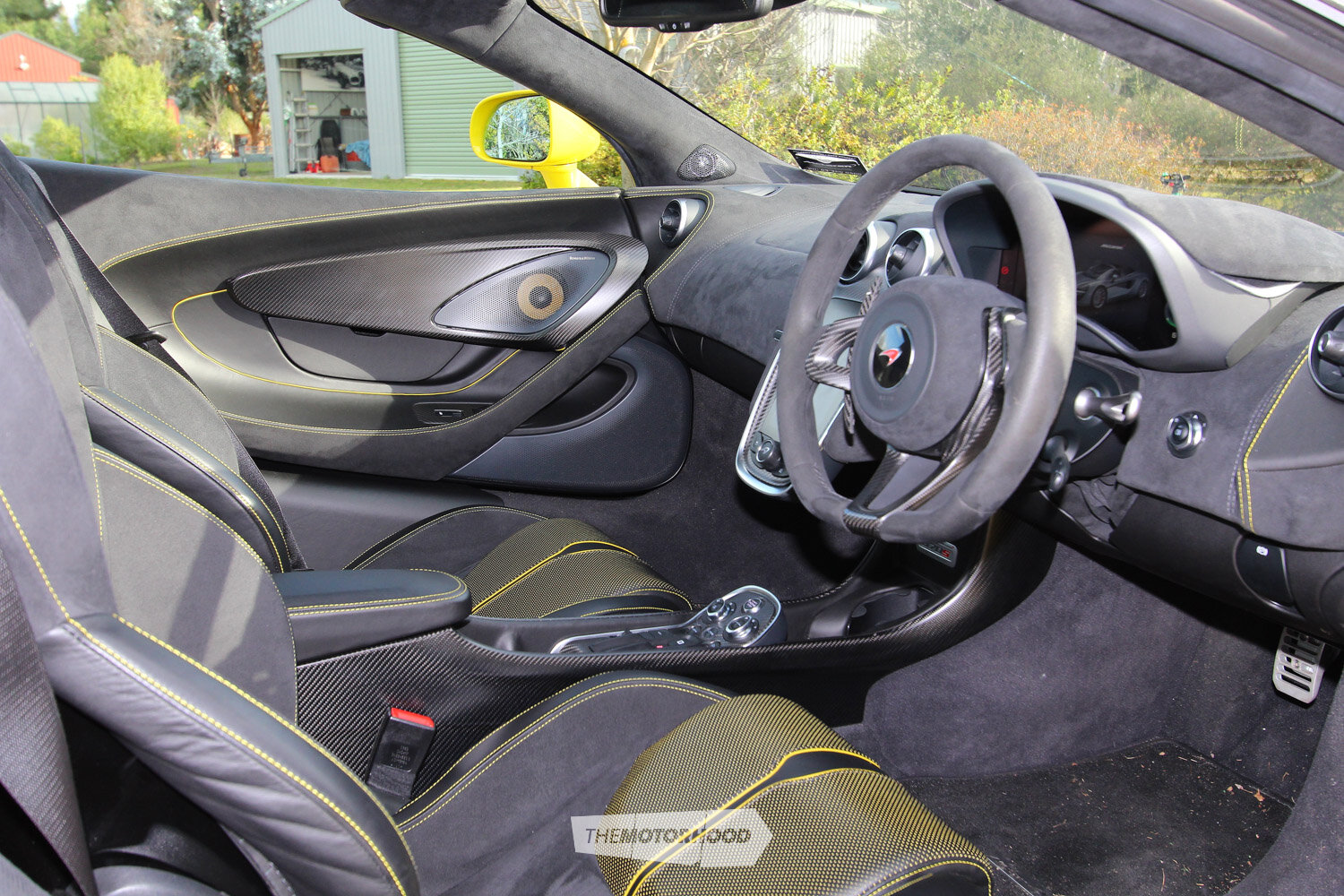
Secure seats are essential for appreciating the handling
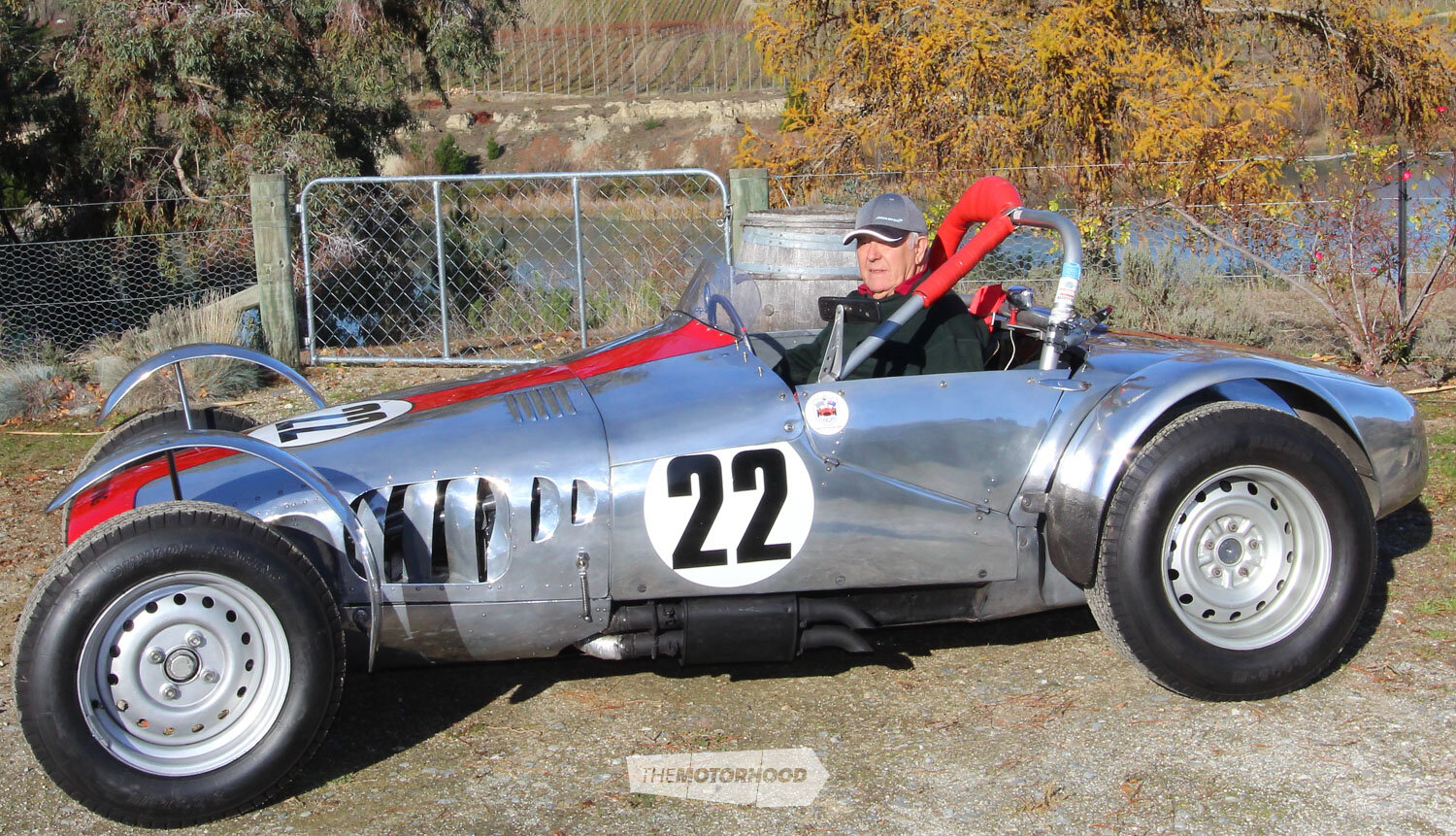
Ralph still gets a kick out of driving his Lycoming Special, advanced for its day
The McLaren weighs in at a svelte 1452kg with all fluids, and stopping power is provided by massive carbon-ceramic disc brakes at each corner. It will come to a stop from 100kph within 32m.
Operate the powered top and a stunning cabin is revealed. The interior is trimmed in a tactile mixture: suede dashboard materials, stitched leather seats and door panels with contrasting body colour stitching, and satin-chrome instrument bezels. This is one classy interior.
Ralph has one intriguing final act to show on his McLaren, popping a tiny service hatch on the rear deck.
“Other than checking the water and oil levels, servicing is restricted to the experts,” he laughs.
Living in Central Otago, Ralph’s in the right area to enjoy some great driving roads and take advantage of the opportunity to drive the car at Highlands Motorsport Park. He is sure looking forward to warmer weather and ice-free roads to go cruising.
Could this be a future classic in the making? I think Bruce would have said, “No doubt about it!”
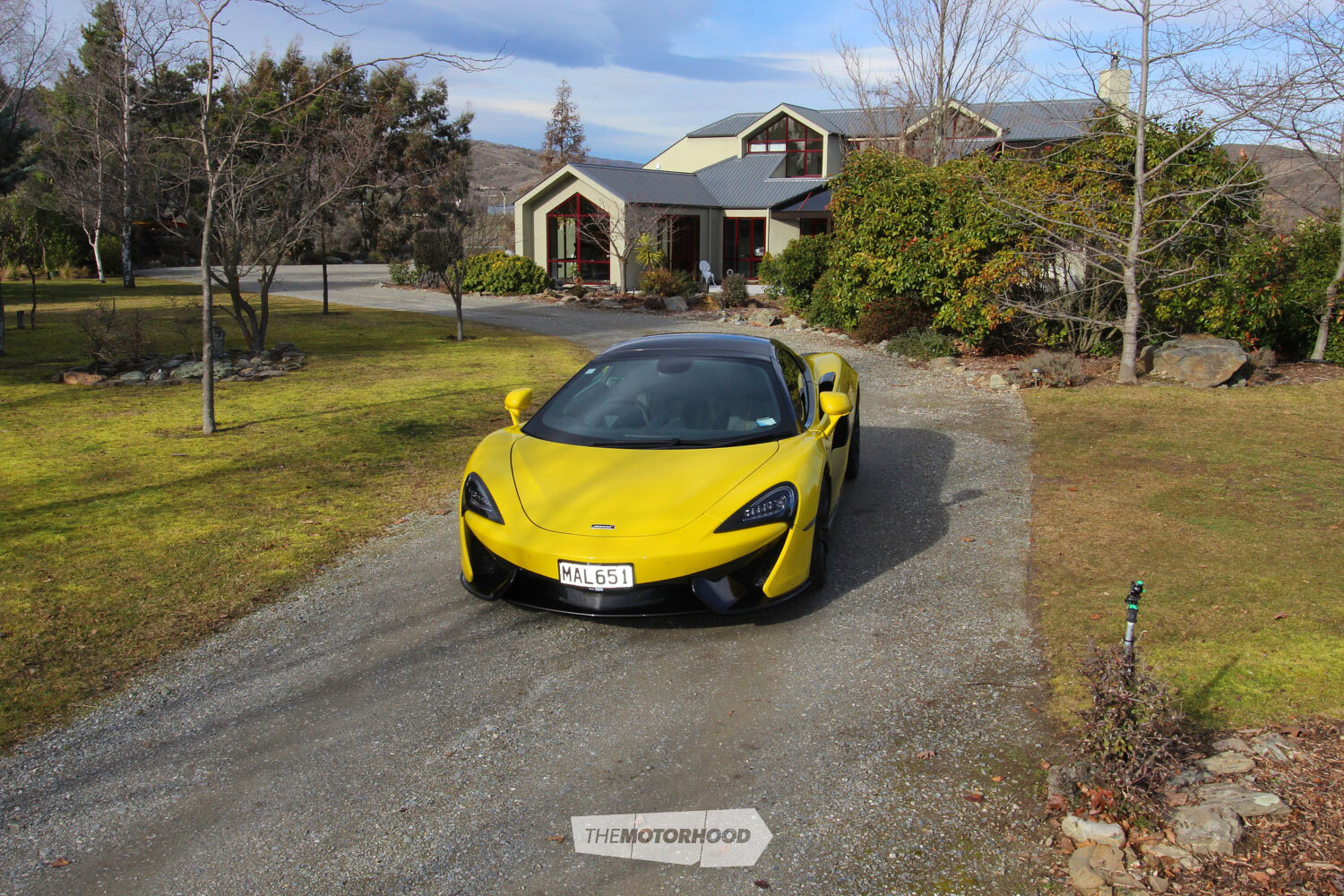
Raring to cruise with warmer weather
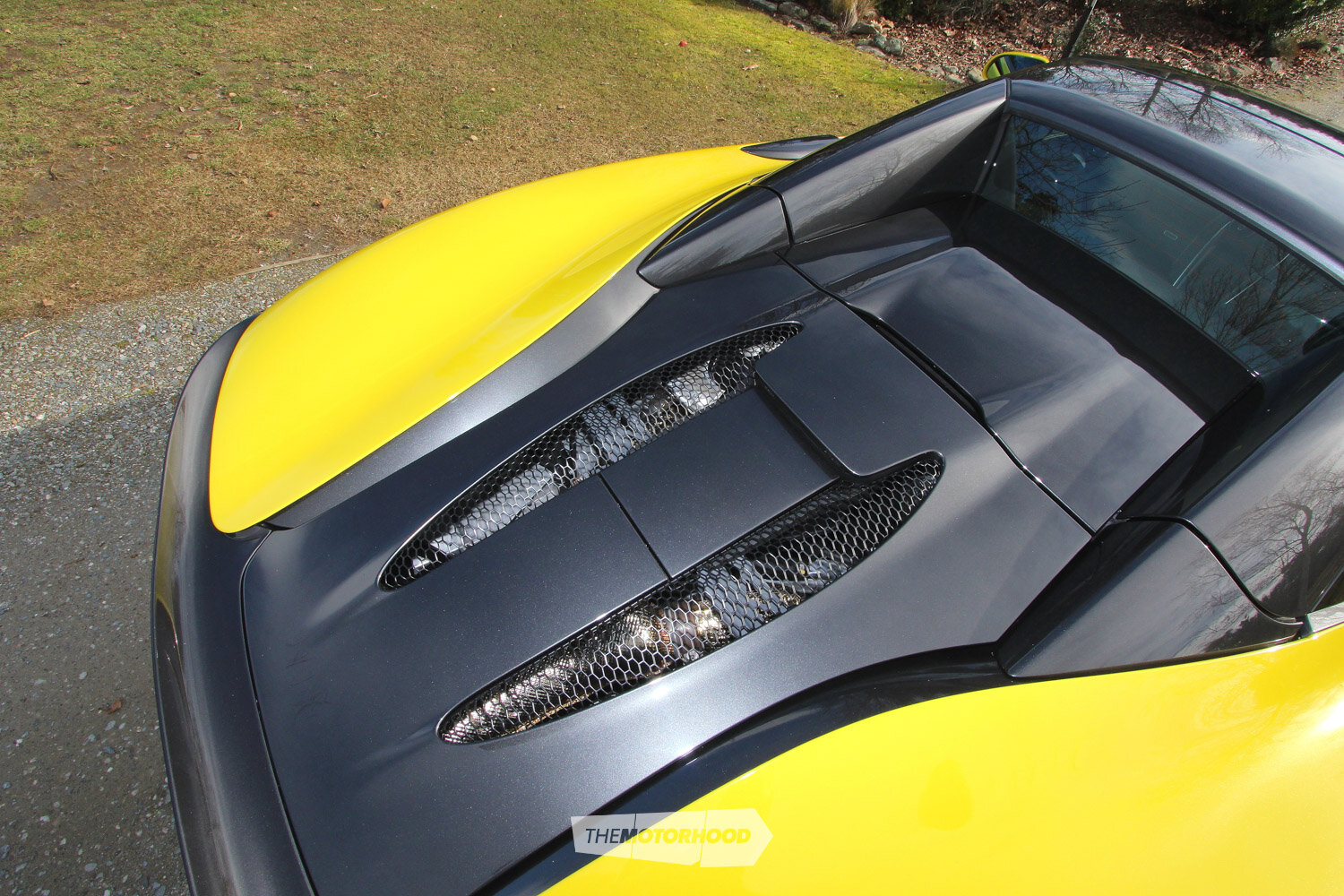
Powerplant peekaboo
This article originally appeared in New Zealand Classic Car issue No. 358